



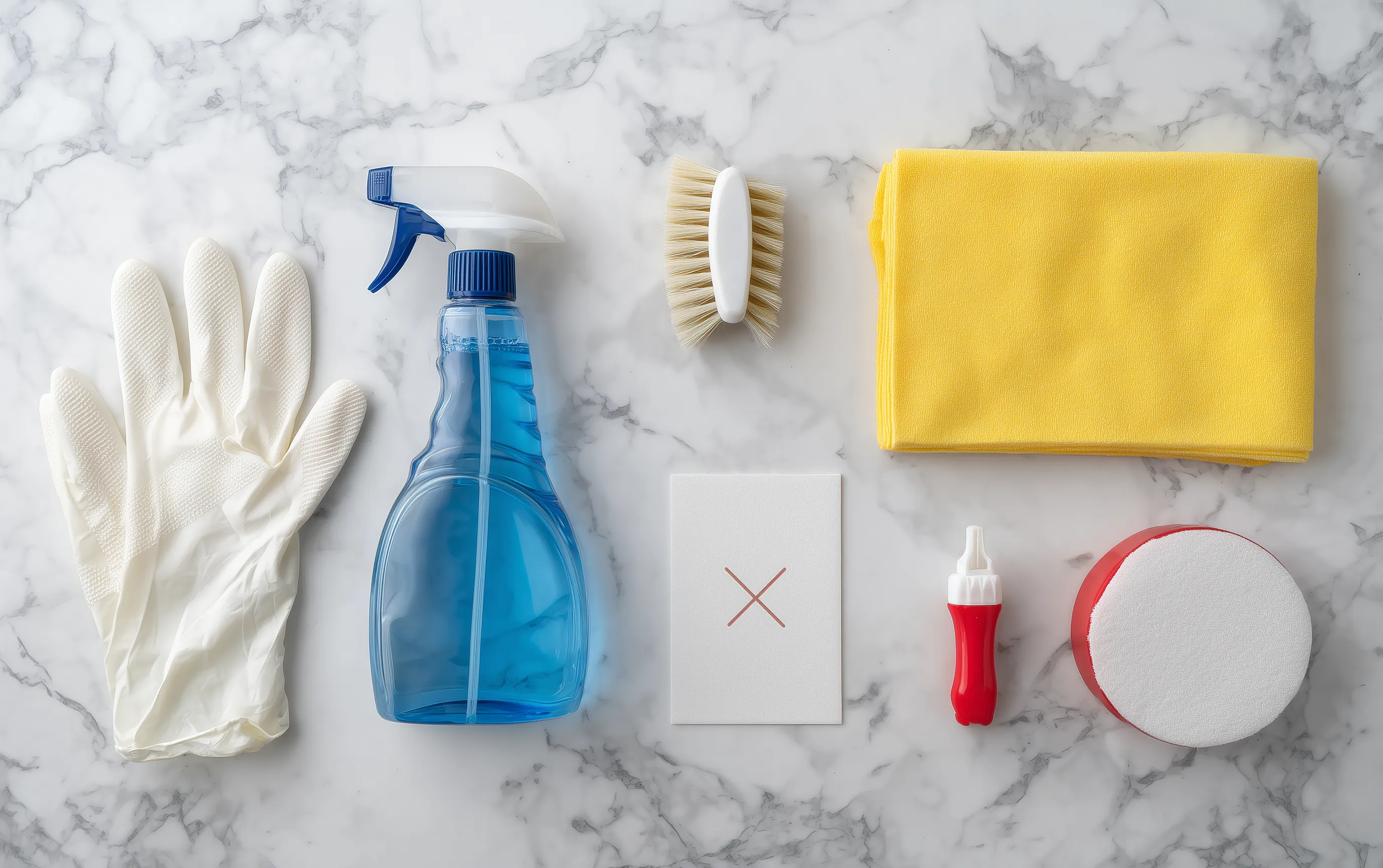
Why Building Cleaning Mistakes Are Expensive
Professional building cleaning seems simple at first glance. Yet in practice, we see the same mistakes over and over again — mistakes that lead to higher costs, dissatisfied tenants, and even health risks. With over ten years of experience in Bremen’s building cleaning industry, we’ve identified the ten most common errors.
1. No Written Scope of Work
The most frequent mistake: cleaning services are discussed verbally but never documented. Without a detailed scope of work specifying room groups, cleaning types, and frequencies, misunderstandings and disappointments are inevitable. Insist on a clear contract that defines exactly what will be cleaned, how often, and to what standard.
2. Choosing the Cheapest Provider
Those who decide solely on the lowest price often end up paying more. Rock-bottom prices inevitably lead to underpaid staff, inadequate equipment, and poor cleaning quality. A reputable provider calculates fairly and can transparently justify their pricing.
3. Using the Wrong Cleaning Products
Not every cleaning product suits every surface. Acidic cleaners on marble floors, aggressive degreasers on painted surfaces, or chlorine-based products on stainless steel cause irreversible damage. Professional building cleaners match their products to the materials in your building.
4. Underestimating Sanitary Areas
Restrooms are a building’s calling card. Yet they’re frequently cleaned only superficially. A thorough sanitary cleaning includes not just visible surfaces, but also fixtures, grout joints, drains, and regular disinfection of all contact surfaces. In times of heightened hygiene awareness, this is more important than ever.
5. No Regular Quality Control
Cleaning without quality checks is like driving without mirrors. Many clients only review cleaning quality when complaints come in. Regular, systematic quality inspections by a site manager ensure that the agreed cleaning standard is consistently maintained.
6. Ignoring Cleaning Schedules
The timing of cleaning significantly affects both quality and acceptance. Cleaning during peak business hours disrupts operations. Cleaning only after hours means losing natural light for quality inspection. The optimal cleaning time depends on how the building is used and should be planned deliberately.
7. Neglecting Entrance Mats and Lobbies
Up to 80 percent of dirt in a building is tracked in through the entrance area. A professional dirt-trapping system with regularly replaced entrance mats and consistent lobby cleaning significantly reduces cleaning effort throughout the entire building.
8. Postponing Deep Cleaning
Routine maintenance cleaning alone is not enough. Without regular deep cleaning, stubborn dirt and coating residues accumulate in floor coverings. At least once or twice a year, an intensive deep cleaning with subsequent floor recoating should be scheduled.
9. Failing to Communicate with the Cleaning Team
Good cleaning thrives on communication. When room uses change, new furniture is installed, or special events take place, the cleaning team must be informed. A designated contact person on both sides greatly simplifies coordination.
10. Ignoring Sustainability
Eco-friendly cleaning is no longer a luxury but an economic and social necessity. Using certified cleaning products, measured dosing, and avoiding disposable materials not only protects the environment but also reduces material costs.
How to Avoid These Mistakes
The best protection against cleaning mistakes is partnering with an experienced FM provider that treats cleaning not as an afterthought but as a core competency. Pay attention to clear contractual terms, regular quality controls, and open dialogue with your cleaning partner. This way, your building stays in excellent condition long-term.